
Welcome back to The Seed Files, our monthly blog series exploring the fascinating world of seeds - their history, nutrition, and the many ways they can elevate everyday meals.
This month we are shining the spotlight on sunflower seeds - the small but mighty kernels harvested from the vibrant sunflower plant. Known for their mild, nutty flavour and satisfying crunch, sunflower seeds are a versatile pantry staple enjoyed around the world.
From breakfast bowls and salads to baking and snacking, sunflower seeds pack impressive nutrition and flavour into every bite.
Let’s explore what makes sunflower seeds such a valuable addition to your kitchen.
What Are Sunflower Seeds?
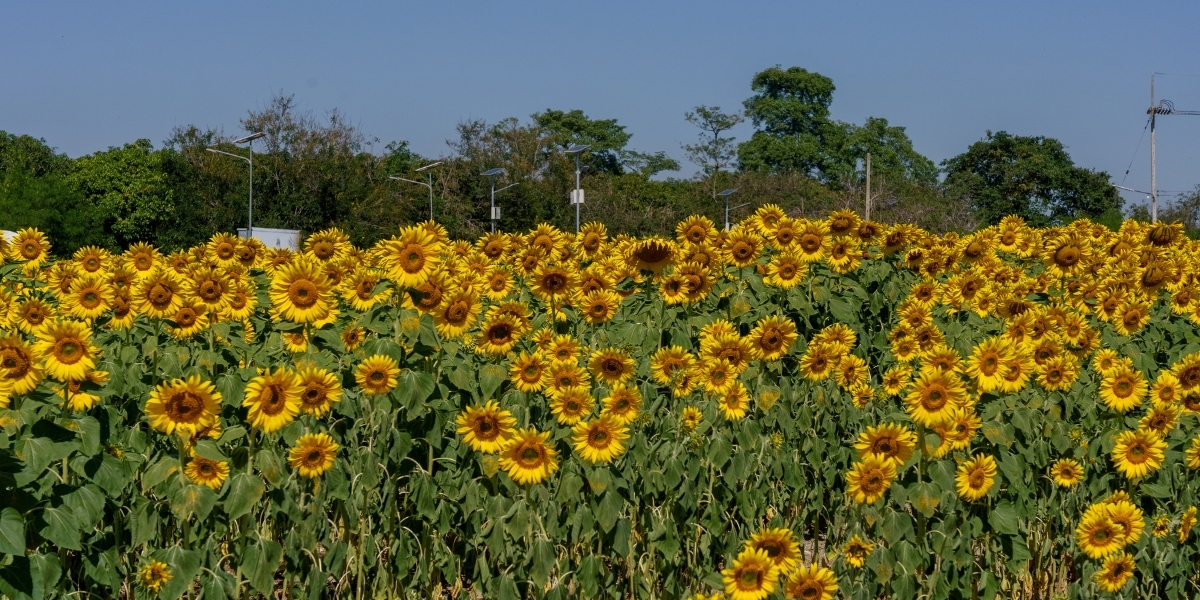
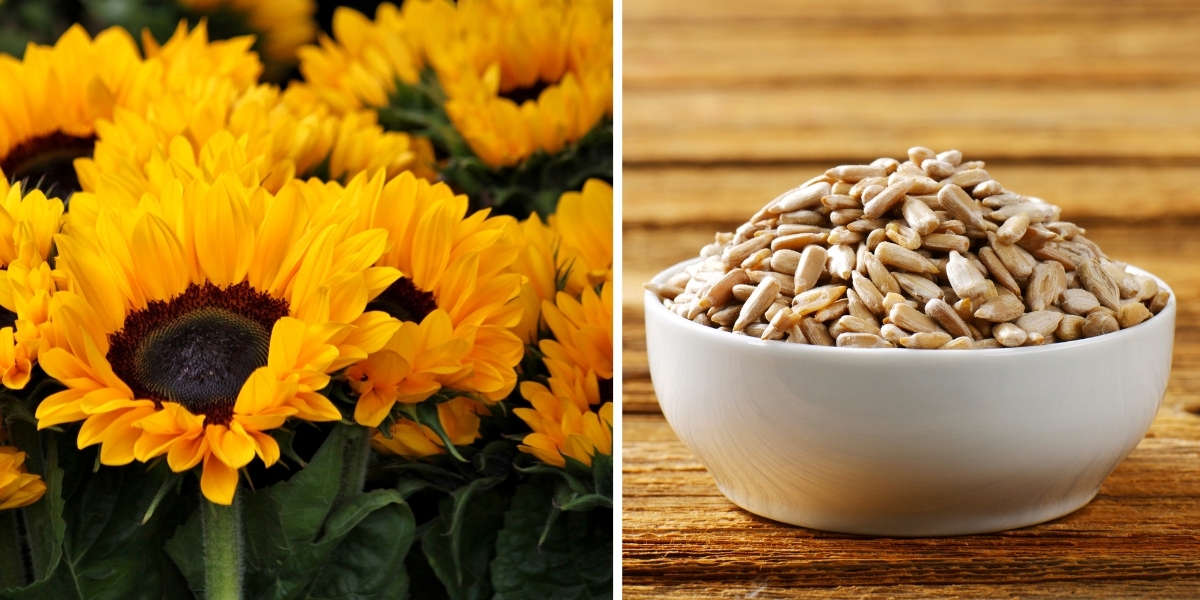
Sunflower seeds are the edible seeds found at the centre of sunflowers, the bright yellow flowers known for turning their heads toward the sun. Each sunflower head contains hundreds, sometimes thousands, of seeds arranged in a natural spiral pattern.
The seeds are naturally protected by a black-and-white striped shell. Once the shell is removed, the inner kernel is revealed, the part we commonly eat. These hulled sunflower seeds have a soft texture with a gentle, slightly buttery flavour.
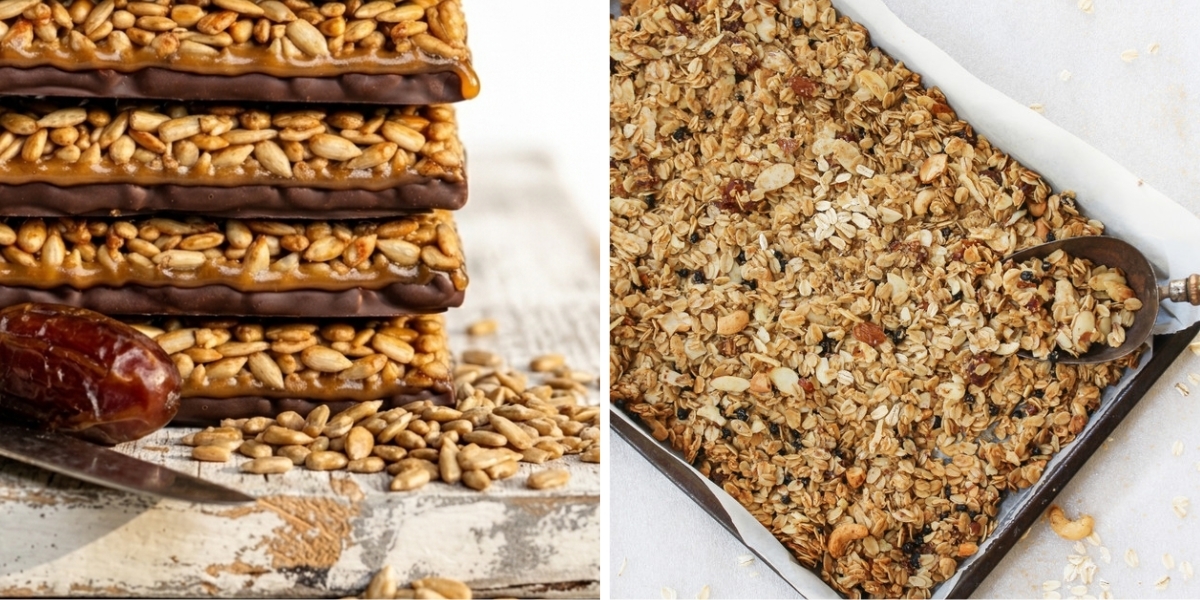
Because of their mild taste, sunflower seeds are incredibly versatile. They can be eaten raw, roasted for extra crunch, blended into spreads like sunflower seed butter, or added to recipes such as granola, breads, salads, and snack mixes.
A Brief History of Sunflowers
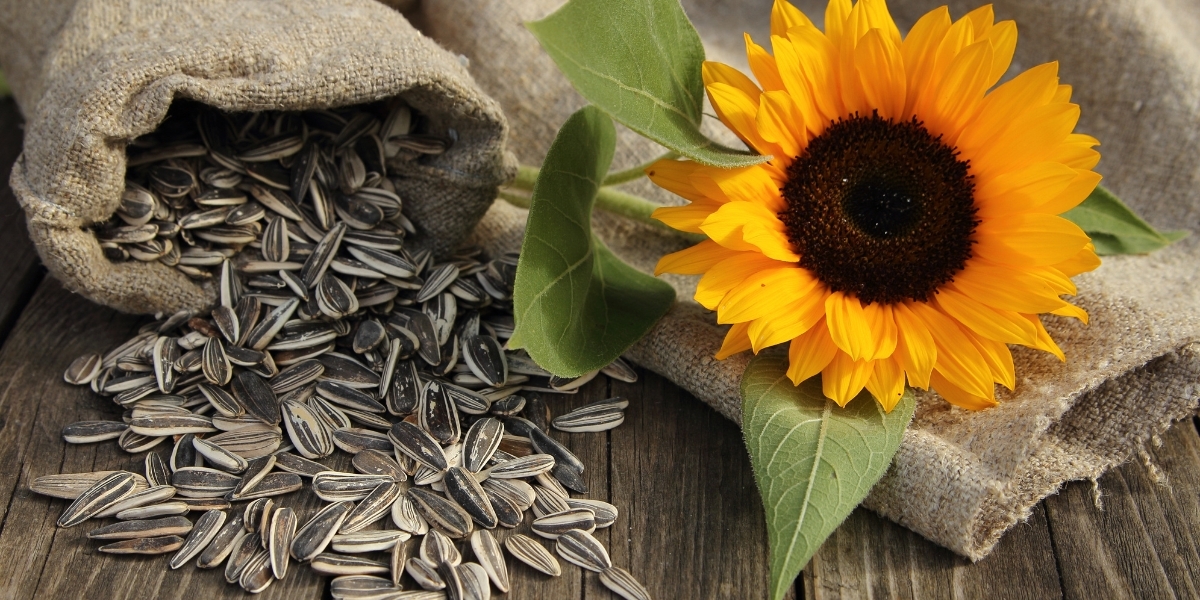
Sunflowers are believed to have originated in North America, where Indigenous communities began cultivating them more than 4,000 years ago. Sunflower seeds were valued not only as a nourishing food source but also for producing oil, natural dyes, and traditional medicinal uses.
In the 16th century, Spanish explorers introduced sunflowers to Europe, where the plant gradually spread across the continent and beyond. Today, sunflower seeds are one of the most widely grown oilseed crops in the world.
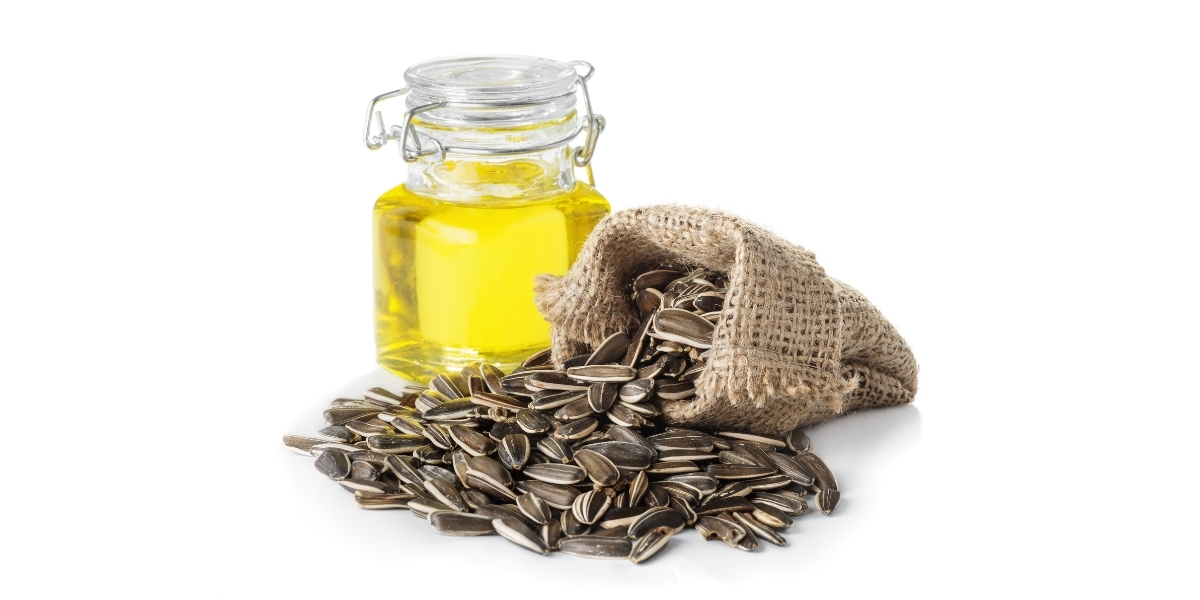
They are commonly used to produce sunflower oil, a popular cooking oil known for its light flavour and versatility. In many kitchens, both sunflower seeds and sunflower oil play an important role in everyday cooking.
Advantages of Sunflower Seeds
One of the reasons sunflower seeds have remained so popular is their impressive nutritional profile. Despite their small size, they offer a wide range of nutrients that support overall wellbeing.
Some of the key advantages of sunflower seeds include:
- Plant-based protein: supports muscle health and helps keep you feeling full.
- Healthy fats: similar to those found in sunflower oil, which can support heart health.
- Vitamin E: a powerful antioxidant that supports skin and immune function.
- Minerals: including magnesium, selenium, and copper.
- Naturally gluten-free: making sunflower seeds easy to incorporate into many diets.
Adding a handful of sunflower seeds to your meals is a simple way to boost both flavour and nutrition.
How to Enjoy Sunflower Seeds
One of the best things about sunflower seeds is how easy they are to incorporate into everyday meals. Their mild flavour makes them suitable for both sweet and savoury dishes.
Here are a few simple ways to enjoy sunflower seeds:
- Snack on them: raw or roasted sunflower seeds make a quick, satisfying snack.
- Breakfast boost: sprinkle sunflower seeds over oats, yoghurt, or smoothie bowls.
- Bake with them: add sunflower seeds to breads, muffins, crackers, or homemade granola.
- Top salads and grain bowls: sunflower seeds add crunch and nutty flavour.
- Try sunflower seed butter: a delicious nut-free alternative to traditional nut butters.
Pro tip: Sunflower seeds pair beautifully with flavours like honey, cinnamon, citrus zest, and dark chocolate.
Fun Sunflower Facts
- A single sunflower head can produce up to 2,000 sunflower seeds.
- Young sunflowers naturally follow the sun as they grow, a phenomenon known as heliotropism.
- Sunflower oil is one of the most widely used cooking oils worldwide.
- Because they are naturally nut-free, sunflower seeds are often used in allergy-friendly recipes.
The Bottom Line
Sunflower seeds may be small, but they are incredibly versatile, nutritious, and easy to enjoy. Whether sprinkled over salads, blended into spreads, baked into breads, or enjoyed straight from the jar, sunflower seeds add both flavour and nourishment to everyday meals.
From ancient crops grown by Indigenous communities to modern kitchens around the world, sunflowers continue to provide one of nature’s simplest and most nourishing ingredients.
Here’s to discovering seeds one month at a time and celebrating the wholesome goodness of sunflower seeds.
>>> Explore our range of Organic Activated Sunflower Seeds available in 300g, 600g and 1KG sizes - Try our trail mix or create your own, or simply snack on a handful for a quick energy boost.


