
Welcome to The Pantry Files, where we explore the wholesome staples that fill our kitchens and nourish our everyday lives. This month, we're taking a closer look at muesli - one of the world's most popular breakfast foods.
From traditional Bircher muesli to modern paleo muesli, this versatile breakfast staple has evolved to suit a wide range of dietary preferences. Whether you're looking for nutritious gluten-free breakfast ideas, exploring options for a gluten-free diet breakfast, or simply wondering what makes muesli such a pantry favourite, this guide has you covered.
Let's explore the history, benefits and many ways to enjoy muesli!
What is Muesli?
Muesli is a breakfast cereal made from a combination of grains, nuts, seeds and dried fruit. Traditionally, it contains rolled oats along with ingredients such as almonds, sunflower seeds, pumpkin seeds, raisins and other dried fruits.
Unlike many highly processed breakfast cereals, muesli is typically made from simple wholefood ingredients, making it a popular choice for those seeking a more nourishing start to the day.
A Brief History of Muesli
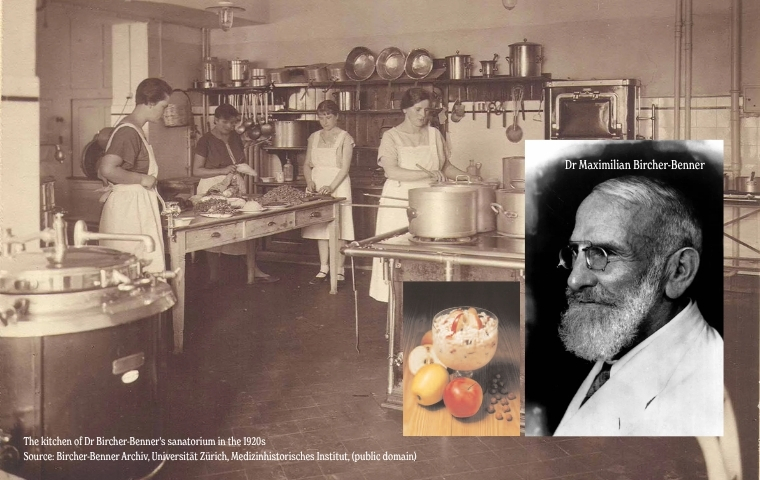
Muesli originated in Switzerland in the early 1900s and was created by Swiss physician Dr Maximilian Bircher-Benner. He developed a simple meal of oats, grated apple, nuts and milk, believing that fresh, minimally processed foods could support overall wellbeing. This original recipe became known as Bircher muesli and remains popular today. Traditionally soaked overnight, Bircher muesli develops a creamy texture and rich flavour.
Over time, muesli evolved and spread worldwide, with countless variations featuring grains, nuts, seeds and dried fruit. Today, it is enjoyed in many forms, from traditional Bircher muesli to grain-free paleo muesli blends.
Is Muesli a Healthy Breakfast?
One of the most common questions people ask is: is muesli healthy?
Made from wholefood ingredients such as grains, nuts and seeds, muesli can provide fibre, plant-based protein, healthy fats and sustained energy. It's a versatile breakfast option that can be tailored to different dietary needs, including gluten-free breakfast and paleo muesli varieties.
Nutritional Benefits of Muesli
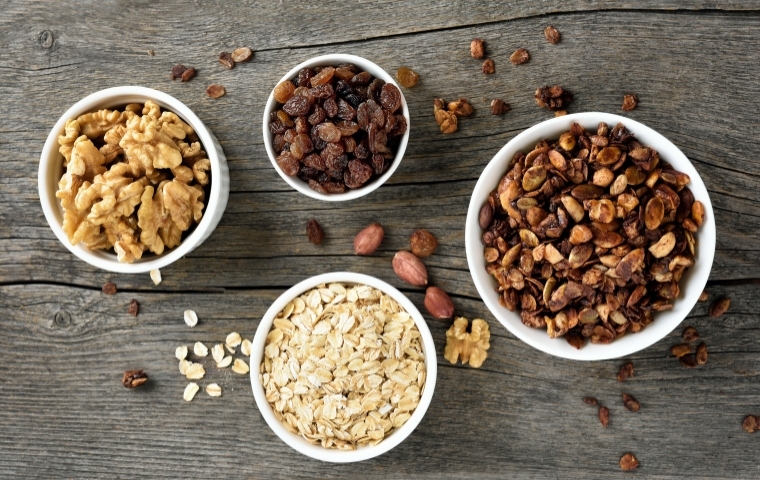
Depending on the ingredients used, muesli may provide:
- Dietary Fibre: Whole grains, nuts, seeds and dried fruits naturally contain fibre, which supports digestive health and helps promote feelings of fullness.
- Plant-Based Protein: Nuts and seeds contribute protein, helping to create a more satisfying breakfast.
- Healthy Fats: Ingredients such as almonds, walnuts, sunflower seeds and pumpkin seeds provide beneficial unsaturated fats.
- Slow-Release Energy: Traditional muesli made with oats and whole grains provides complex carbohydrates that release energy gradually throughout the morning.
- Vitamins and Minerals: Many muesli ingredients naturally contain nutrients including magnesium, iron, zinc, manganese and B vitamins.
Traditional Muesli vs Paleo Muesli
As eating habits and dietary preferences have evolved, paleo muesli has become an increasingly popular alternative to traditional muesli. While both offer nutrition and versatility, there are some important differences.
Traditional Muesli: Traditional muesli is based around grains, most commonly rolled oats.
| Typically contains: | Benefits: |
|
|
|
|
|
|
|
|
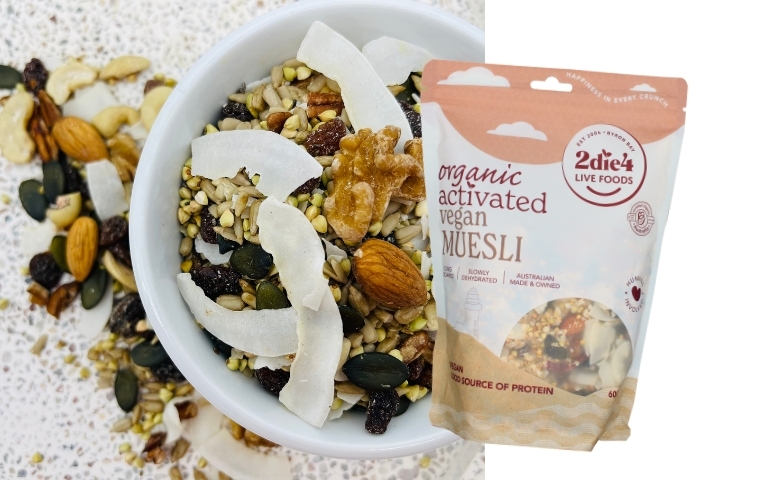
Best suited for: People looking for a wholesome breakfast featuring whole grains and slow-release carbohydrates.
Paleo Muesli: Paleo muesli removes grains entirely and instead focuses on nutrient-dense nuts, seeds, coconut and fruit.
| Typically contains: | Benefits: |
|
|
|
|
|
|
|
|
|
|
|
|
|
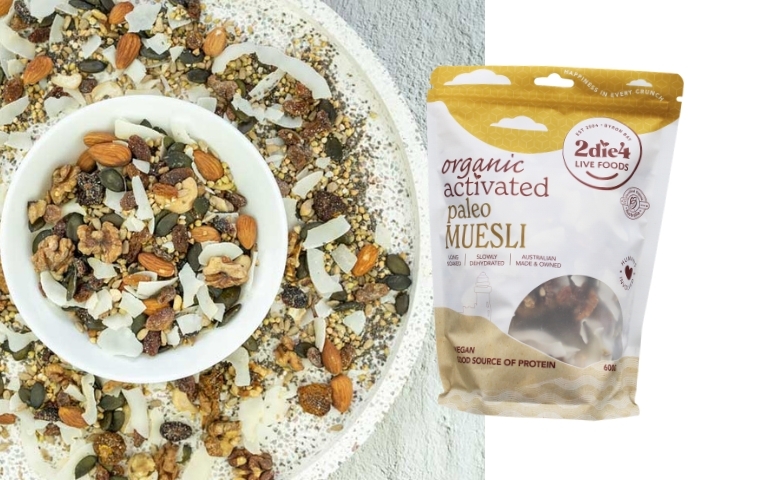
Best suited for: Those following a paleo lifestyle or seeking a grain-free breakfast alternative.
Which One is Better?
The truth is neither option is inherently better, it simply depends on your personal preferences and dietary needs. Traditional muesli provides wholesome grains and complex carbohydrates, while paleo muesli offers a grain-free alternative rich in nuts, seeds and healthy fats.
Muesli for a Gluten-Free Diet Breakfast
If you follow a gluten-free diet, it's important to note that not all muesli is gluten-free, as some blends contain oats or grains that may be processed alongside gluten-containing ingredients.
For a simple gluten-free breakfast, paleo muesli is a popular choice, as it is naturally grain-free and made from nuts, seeds, and coconut.
Some easy gluten-free breakfast ideas include:
- Paleo muesli with yoghurt and berries
- Gluten-free Bircher muesli made with certified gluten-free oats
- Smoothie bowls topped with paleo muesli
- Homemade grain-free muesli bars
How to Enjoy Muesli
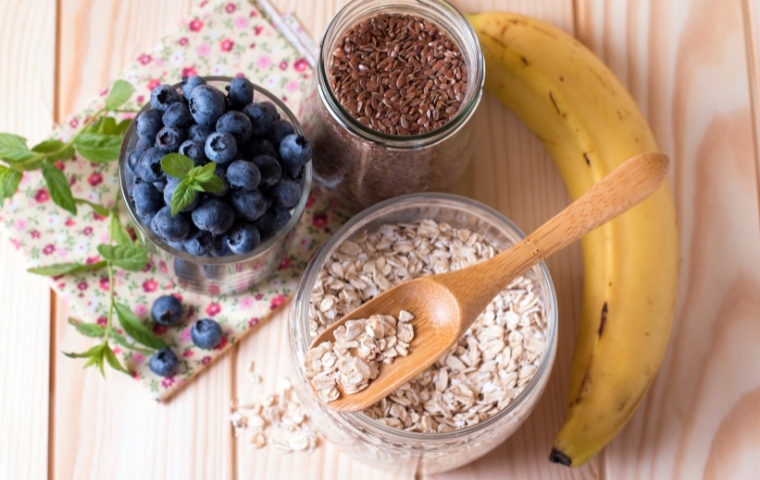
- Classic Breakfast Bowl: Serve muesli with your favourite milk and top with fresh fruit.
- Bircher Muesli: Soak muesli overnight with milk or yoghurt for a creamy breakfast that's ready to enjoy the next morning.
- Smoothie Bowl Topping: Sprinkle muesli over smoothie bowls for added crunch and texture.
- Yoghurt Parfait: Layer muesli with yoghurt and berries for an easy breakfast or snack.
- Baking Ingredient: Add muesli to muffins, slices or breakfast cookies for extra flavour and texture.
- Muesli Bars: Simply combine your favourite muesli with nut butter and honey or maple syrup, press into a tray and chill until firm - perfect for lunchboxes, snacks and on-the-go breakfasts.
The Bottom Line
Simple, versatile and nourishing, muesli has remained a breakfast favourite for generations. Whether you prefer traditional Bircher muesli, homemade muesli bars or grain-free paleo muesli, there is an option to suit almost every dietary preference. With its nutritional benefits and endless versatility, muesli continues to be a pantry staple worth celebrating.


